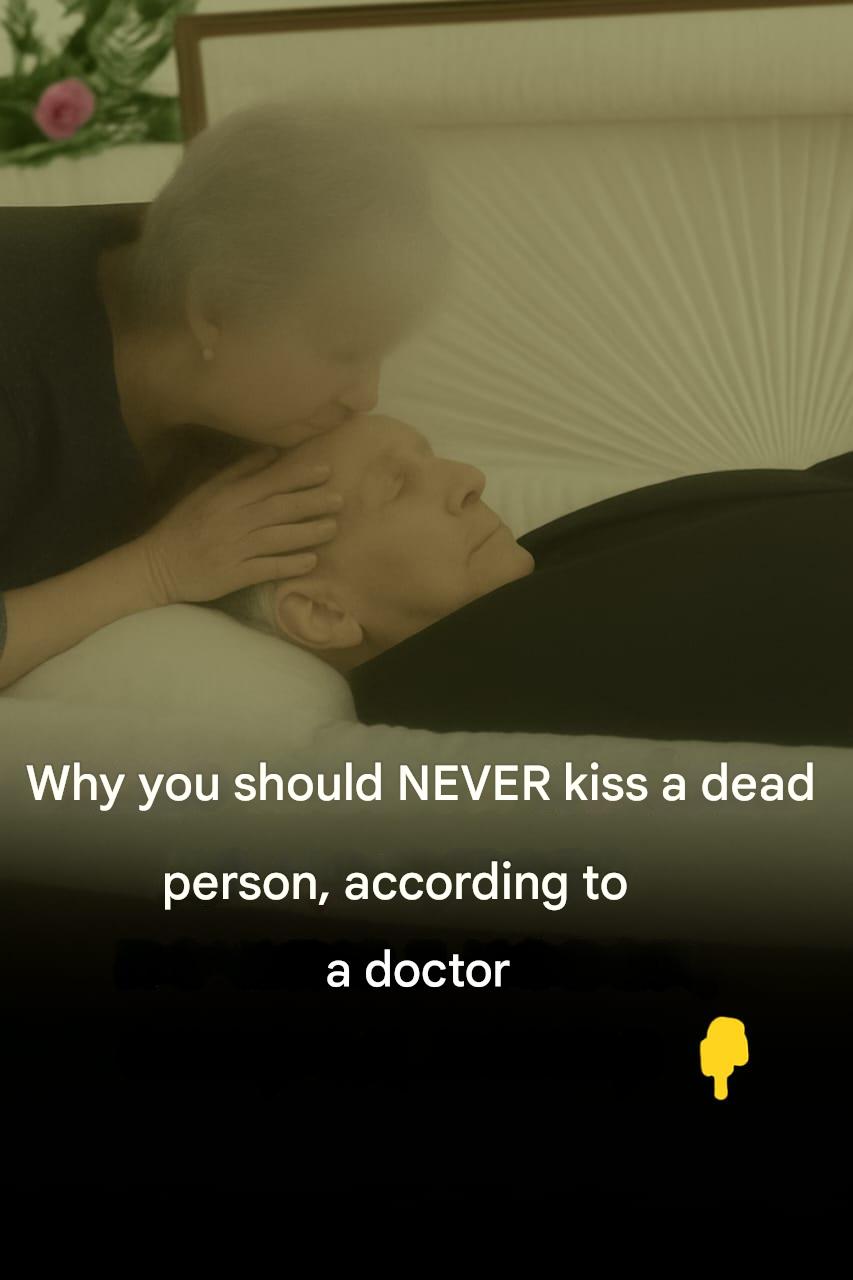
Why Some Doctors Advise Against Kissing a Deceased Loved One
In moments of profound grief, physical gestures offer immense comfort. For many, a gentle kiss on the forehead or lips of a deceased person seems the most natural way to say a final goodbye—an act of love, reconciliation, and connection.
But even though this intimate gesture may seem harmless, some healthcare professionals warn that it can present unexpected health risks, especially in certain circumstances.
Below, we’ll explore why some doctors recommend caution, what the potential dangers are, and how families can safely honor their loved ones.
🧾The Medical Perspective: What Happens After Death?
After death, the body begins a natural process called autolysis: the breakdown of cells from within. Without oxygen, tissues deteriorate, and bacteria that the immune system kept in check multiply rapidly.
Depending on the cause of death and the time elapsed, the body can become a breeding ground for pathogens, for example:
Bacteria – Staphylococcus, E. coli, Salmonella
Viruses – influenza, hepatitis, HIV, SARS-CoV-2
* Fungi
These microorganisms are found in bodily fluids – saliva, nasal secretions, blood – and are transmitted through direct contact, particularly through kissing.
When is the risk higher?
Cause of death – infectious diseases (meningitis, tuberculosis, viral infections) increase the risk.
Time elapsed since death – the longer the body is out of the refrigerator, the more bacteria multiply.
Method of preparation: washing, dressing, or embalming. Embalming reduces microbial activity.
Health of the bereaved – people with weakened immune systems, pregnant women, young children, and the elderly are more vulnerable.
Real-life cases of post-mortem transmission
United States, 2017 – A man contracts hepatitis B after kissing his deceased relative.
A funeral director contracts tuberculosis following contact with an unembalmed body.
During Ebola outbreaks, direct contact with the deceased is strictly prohibited due to the high contagiousness of the disease.
These cases are rare, but they demonstrate the need for awareness and precautions.
❤️The emotional significance of the final touch
Despite medical concerns, experts in grief and palliative care emphasize the therapeutic value of physical contact with a deceased person.
“Sometimes, seeing and touching the body helps people move from denial to acceptance.” — Dr. Sarah Thompson, Bereavement Counselor
✅How to Safely Honor Your Loved One
Speak to a funeral director or doctor
Ask about the cause of death and any potential infections.
Find out if the body was embalmed.
Avoid direct contact with bodily fluids.
If possible, use gloves or moist wipes.
Stay away from open wounds, the nose, and the mouth.
Wash your hands thoroughly.
Soap and water for at least 20 seconds.
Disinfectant if water is unavailable.
Alternatives to Saying Goodbye
Hold hands instead of kissing.
Leave a flower or keepsake in the casket.
Light a candle, write a letter, observe a moment of silence.
Monitor for symptoms
If you feel unwell in the days following the visit, inform a doctor and share their contact information.
🌍Cultural and religious practices
Islam – washing and separating the body from the family.
Hinduism – touching and carrying the body before cremation.
Christian and local traditions – saying goodbye with a kiss or a touch as a spiritual act.
Medical advice should take into account cultural and religious sensitivities.