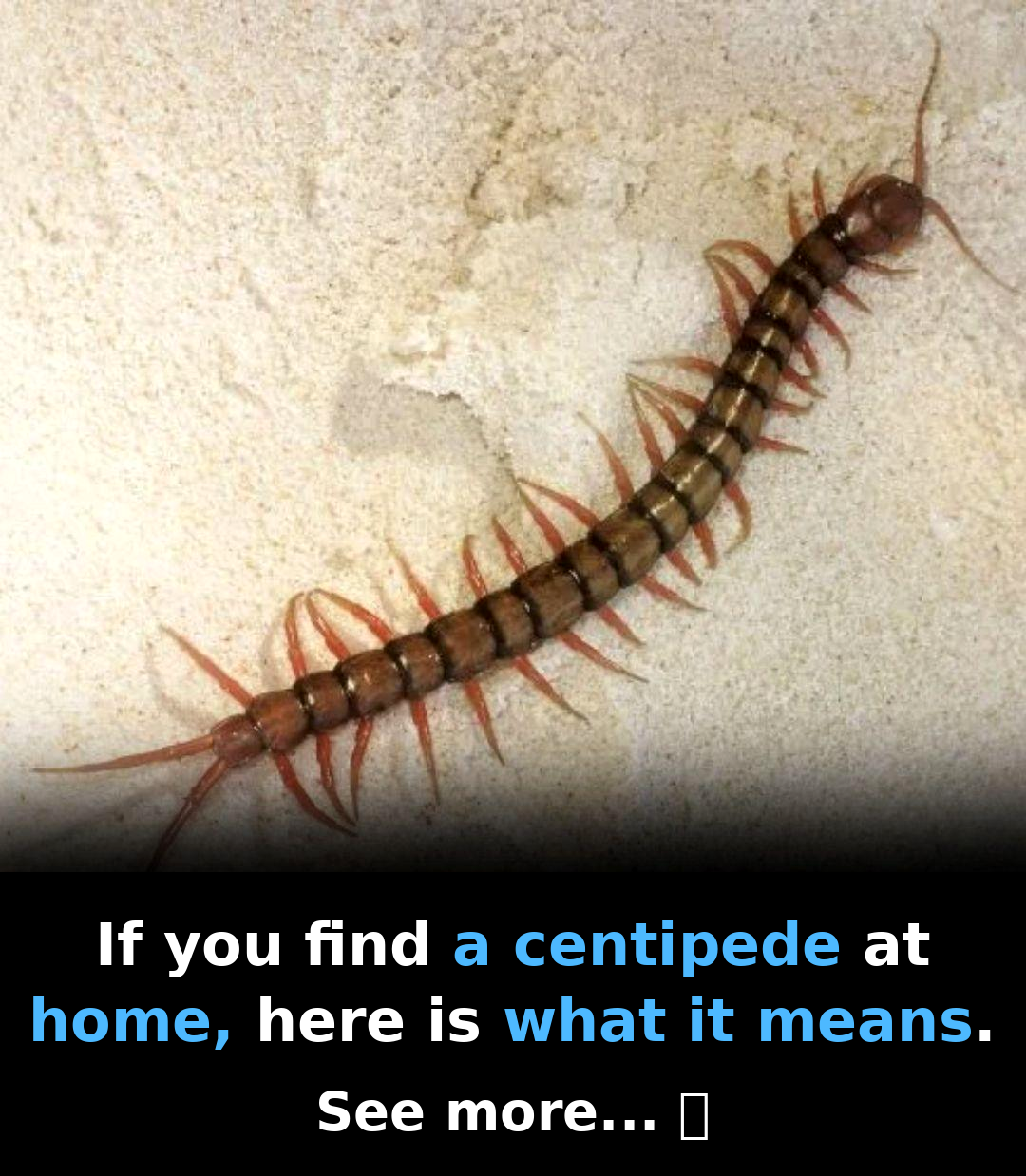
Finding a centipede crawling across your floor or wall can be an unsettling experience. With their long, segmented bodies and numerous legs moving in a wave-like motion, these creatures often trigger fear or disgust. However, before you panic, it’s important to understand what their presence actually means. In many cases, a centipede in your home is not just a random घटना—it can be a subtle signal about your living environment.
Centipedes are natural predators. They feed on insects such as spiders, ants, cockroaches, and even termites. This means that if you are seeing centipedes indoors, your home may already be hosting other small pests. Rather than being the primary problem, centipedes are often a sign of an existing insect population. In this sense, they can be considered both a warning and, surprisingly, a form of natural pest control.
Another key reason centipedes enter homes is moisture. These creatures thrive in damp, dark environments such as bathrooms, basements, kitchens, or areas with poor ventilation. If you frequently spot centipedes, it may indicate excessive humidity, hidden leaks, or poor air circulation. Over time, these conditions can also lead to mold growth and structural issues, making it essential to address the root cause.
It’s also worth noting that centipedes are nocturnal. They prefer to stay hidden during the day and come out at night to hunt. If you are seeing them frequently during daylight hours, this could suggest a larger population or a disturbance in their usual hiding places. Cracks in walls, gaps under doors, and cluttered storage areas can all provide ideal shelter for these creatures.
Despite their intimidating appearance, most house centipedes are not dangerous to humans. They do possess venom, which they use to paralyze their prey, but bites to humans are rare and typically result in only mild irritation. For most people, the real concern is not the centipede itself, but what its presence implies about the home environment.
To reduce the likelihood of encountering centipedes, focus on prevention. Start by controlling moisture—fix leaks, use dehumidifiers, and ensure proper ventilation in damp areas. Next, eliminate their food sources by keeping your home clean and addressing any insect infestations. Sealing cracks and gaps can also prevent them from entering and hiding inside your home.
Regular cleaning and decluttering can make a significant difference. Pay special attention to hidden areas such as under sinks, behind appliances, and inside storage spaces. These are the places where moisture and insects tend to accumulate, creating the perfect habitat for centipedes.
In conclusion, while finding a centipede in your home can be alarming, it is often more of a symptom than a threat. It signals underlying conditions such as excess moisture or the presence of other pests. By addressing these issues, you not only reduce the likelihood of seeing centipedes again but also create a healthier and more comfortable living enviro