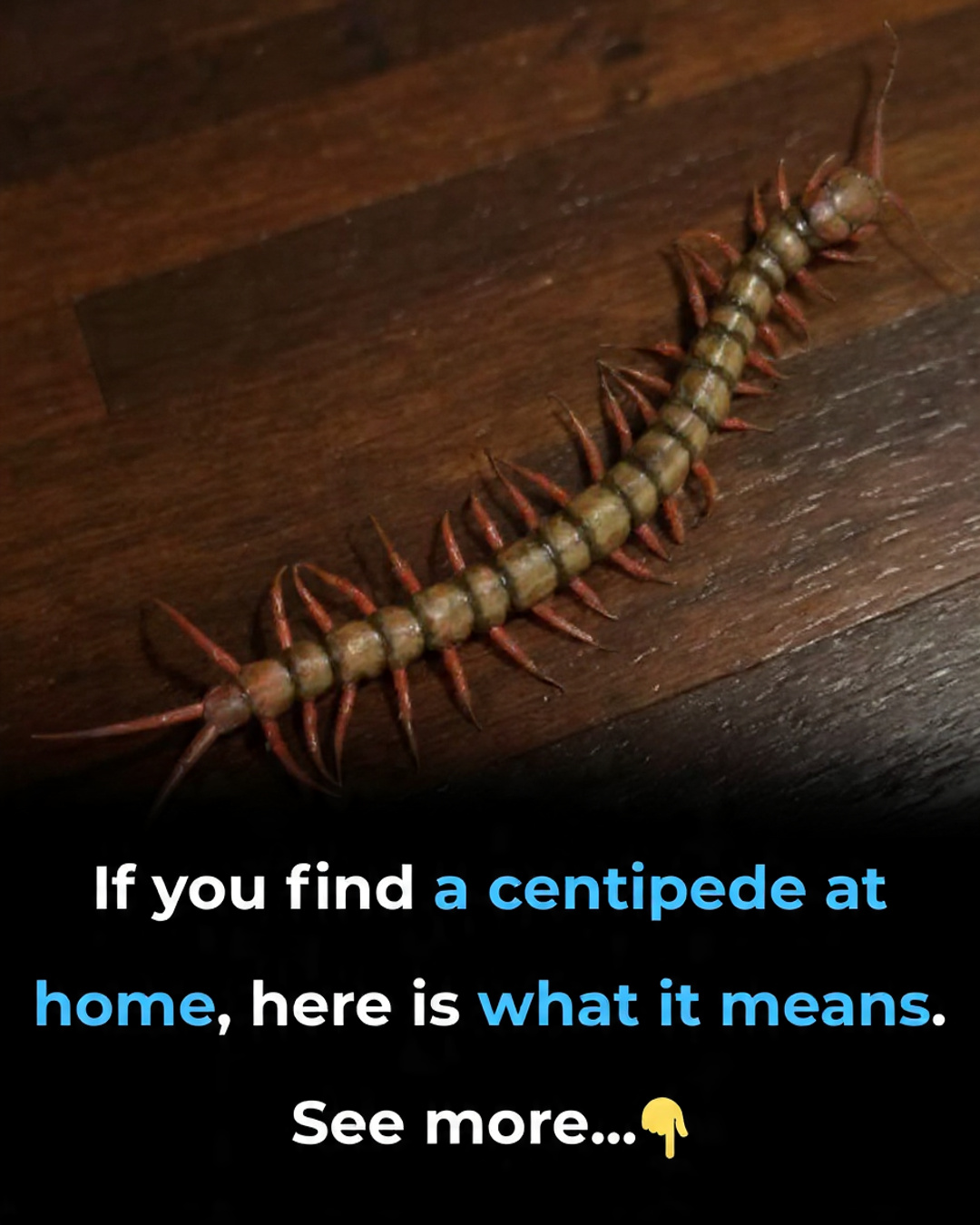
Found a Centipede at Home? Here Is What It Usually Means
Seeing a centipede indoors can feel creepy, but it is actually a useful clue about your house.
What it often signals
1. You may have other pests
Centipedes are predators. They hunt small insects, spiders, silverfish, ants, and roaches. If one appears inside, it usually means there is prey around. In short, you might have a hidden bug problem they are following.
2. You likely have damp areas
Centipedes love dark, humid spots. You will often find them in basements, bathrooms, under sinks, crawl spaces, or near leaky pipes. Their presence points to excess moisture or poor airflow, which can also lead to mold and damage.
3. They are seeking shelter
Sometimes they simply wander in to escape harsh weather — extreme heat, freezing cold, or heavy rain. Your home offers a cool, protected place to hide.
Are centipede bites dangerous?
Unlike roaches or rodents, centipedes do not spread diseases.
They can bite with their venomous front claws, but bites are uncommon because they usually avoid people. When a bite happens, symptoms are typically mild:
- redness, swelling, and local pain similar to a bee or wasp sting
- light itching, burning, or tenderness around the spot
Serious problems are very rare. People who are allergic to insect venom may have stronger reactions like major swelling, trouble breathing, or intense pain. If that occurs, get medical help right away.
How to reduce centipedes
Cut moisture. Fix plumbing leaks, run a dehumidifier in damp rooms, and keep kitchens and bathrooms dry and well ventilated.
Seal entry points. Close cracks in walls and foundations, fill gaps under doors, and repair torn window screens.
Remove hiding spots. Declutter piles of clothes, cardboard boxes, wood stacks, and crowded storage areas where they like to shelter.
Starve them out. Control their food by managing roaches, spiders, ants, and other small insects.
Use gentle deterrents. Lightly dust diatomaceous earth along baseboards, corners, and damp zones. Essential oils like peppermint, tea tree, or eucalyptus may also help repel them when used carefully.
Remove directly. Trap one under a jar and release outside, vacuum it up, or use sticky traps made for crawling insects.
How to keep them from coming back
- Keep the home dry and well aired
- Vacuum regularly in dark corners, closets, and under furniture
- Store firewood, cardboard, and damp materials outside, not indoors
- Tidy the yard — trim grass and shrubs, clear leaf litter and debris near the foundation
- Consider routine pest control if centipedes or their prey keep returning
In short
Finding a centipede usually means two things: there is moisture, and there may be other pests. Their bite can hurt but is rarely dangerous. The most effective approach is to dry out damp areas, seal gaps, and control the insects they eat. Do that, and centipede visits drop sharply.