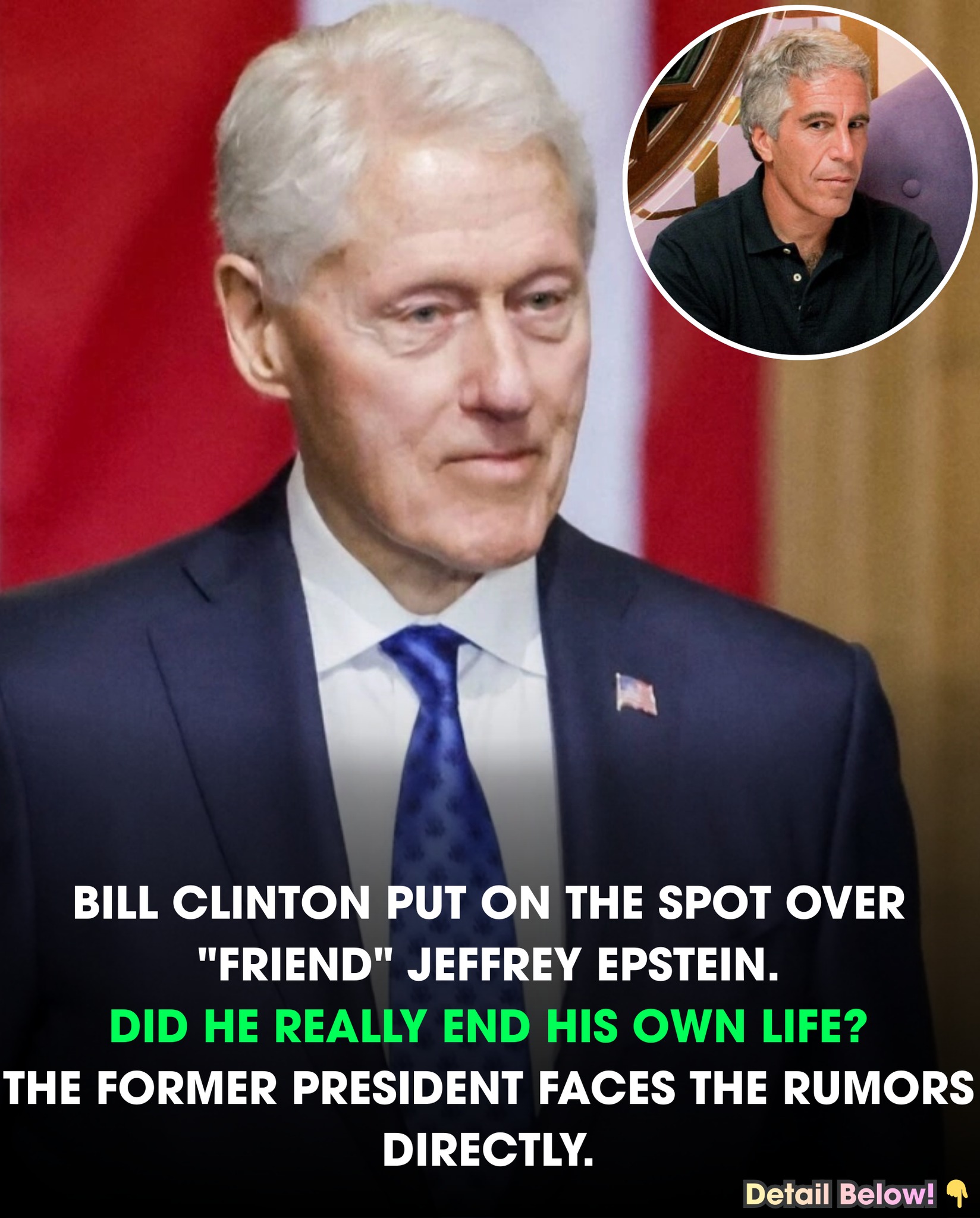
During a private deposition before the House Oversight Committee in New York, former U.S. President Bill Clinton faced questioning under oath regarding the death of Jeffrey Epstein.
This testimony occurred as part of an active congressional inquiry linked to recently unsealed documents from Epstein’s criminal probes.
Release of Justice Department Documents On January 20, the United States Department of Justice released over three million files pertaining to the Epstein case. This massive disclosure reignited public scrutiny of figures who previously had ties to him.
In the ensuing weeks following the document dump, numerous prominent individuals were summoned by lawmakers to testify. Bill Clinton sat for two days of deposition, immediately following a day of testimony given by Hillary Clinton.
Based on reports from BBC News, Committee Chairman James Comer had earlier warned that the Clintons could face contempt charges if they refused to participate.
Questioning About Epstein’s Death In August 2019, Epstein passed away in a New York federal detention center while awaiting trial for federal sex trafficking offenses. Authorities officially determined his death to be a suicide.
Over the course of the hearing, legislators pressed Clinton on whether he personally thought Epstein had taken his own life.
Cheryl Mills, an adviser to Clinton, initially challenged the question, asking if the committee was prompting Clinton to speculate on the circumstances surrounding Epstein’s passing. In response, a committee member rephrased the inquiry, asking if Clinton felt that Epstein—whom they referred to as his “friend” during the exchange—had exhibited any suicidal tendencies.
Mills pushed back against that characterization, clarifying that Clinton and Epstein were not actual friends, but rather had merely been “friendly” with one another.
Clinton’s Response As cited by UNILAD reporting, Clinton replied that he did not have the answer to that question.
“I don’t know what the medical finding was,” he stated. “I’ve accepted in my own mind that I don’t know.”
Upon further pressing, he explained that although he had formed a personal opinion, he ultimately conceded a level of uncertainty. He pointed out that no one in the room could claim to have absolute knowledge beyond what the official ruling stated.
Continued Public Scrutiny Even years after Epstein’s demise, the details of his death continue to fuel public discussion. The unsealing of federal records and the subsequent congressional hearings have brought renewed focus to the need for transparency and accountability in such high-stakes investigations.
Legislators have not yet announced a timeline for the release of further transcripts or audio recordings from these depositions. In the meantime, the testimonies remain a key component of an active investigation into Epstein’s expansive network, the probes connected to him, and the larger unresolved questions that still captivate the public’s attention.